
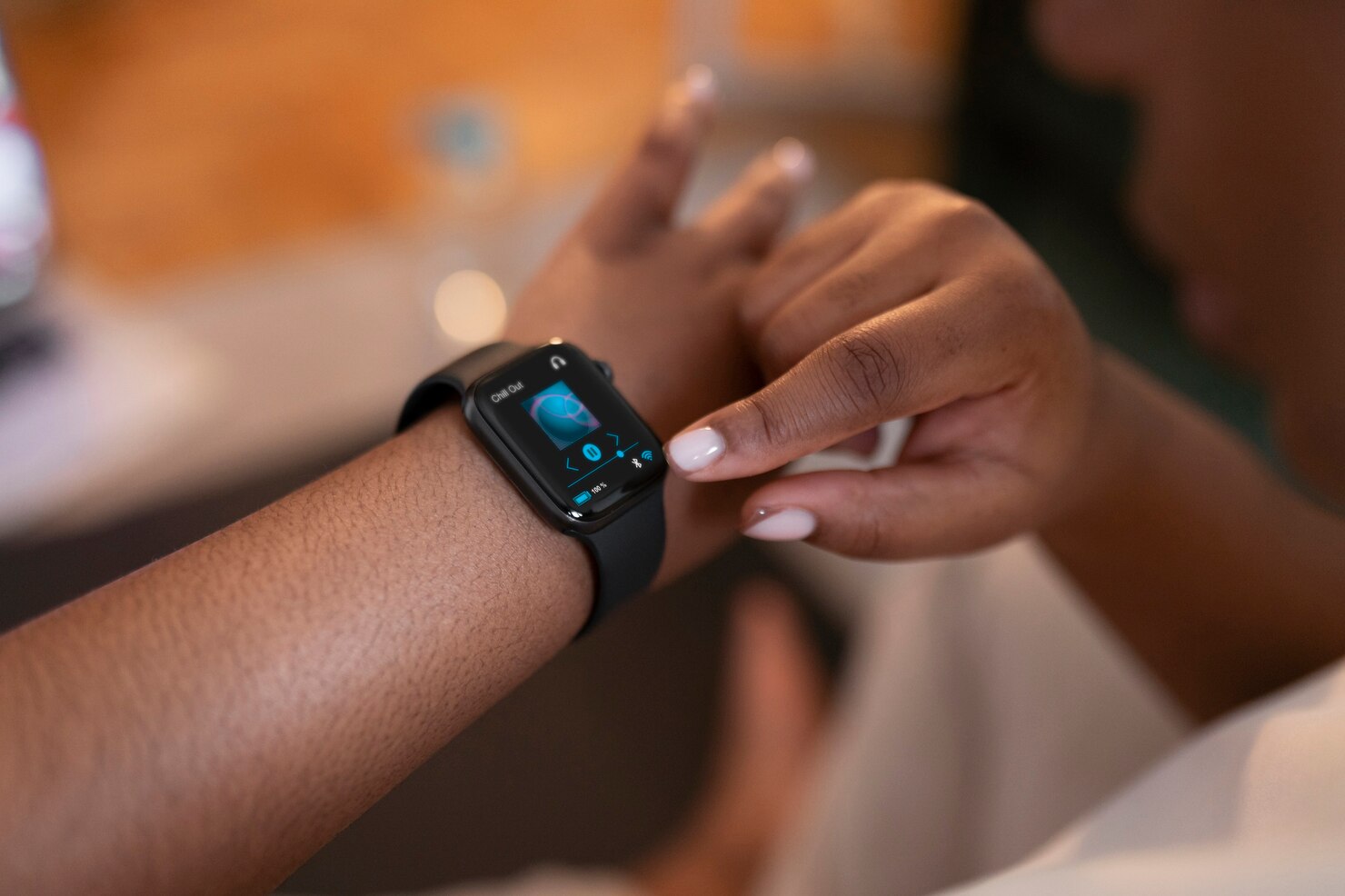
Choosing a GPS watch today can feel like scrolling endlessly through a streaming platform – too many models, too many features, too many “premium” things you’re not even sure you need. I remember standing in a shop in Newcastle last spring, holding two watches that looked identical, and thinking, “Why is this one £120 more… does it sing too ?” If you’ve felt that little panic too, you’re in the right place.
Before diving deeper, I stumbled upon a comparison guide on https://eurofoulee.com the other day, and it helped me sort out a few misconceptions I had about GPS accuracy. Might help you too, if you like to double-check things.
Start with what you actually do (and be honest !)
Sounds obvious, but most people skip this. Are you running three times a week around the block ? Training for a marathon ? Hiking in places where phone signal disappears faster than your motivation on a rainy Monday ?
Personally, I used to think I needed ultra-detailed metrics – VO2 max, recovery time, altitude widgets, the whole lot. Truth is, when I looked back at my runs, I only cared about pace, distance and heart rate. Everything else was like having extra buttons in your car you never touch.
If you mostly run or walk : a simple GPS watch with heart-rate tracking is enough.
If you cycle or swim too : go for a multisport model.
If you’re into mountain trails : prioritise battery life and GNSS (multi-satellite) accuracy.
Forget the hype : here’s what really matters
Let me break down the specs that genuinely make a difference – and the ones that just sound fancy.
1. GPS accuracy
Multi-band GPS (or “dual-frequency”) is great, especially in cities with tall buildings. But do you need it ? If you’re not running in central London or weaving through forests every weekend, maybe not. Standard GPS on mid-range watches has become surprisingly solid.
2. Battery life
This is where things get real. Some watches barely make it through a long run. Others last a full week with daily activities. I remember testing a model that promised “up to 30 hours” – except it was more like 12 when the screen brightness was normal. So always check real-life reviews, not just the pretty number on the box.
3. Heart-rate accuracy
Optical sensors have improved a lot, but they’re still not perfect during intense intervals. If you do HIIT or hard cycling sessions, consider a watch compatible with chest straps. If not, wrist-based HR is usually fine.
4. Training features (the truth)
Recovery time and training load metrics can be helpful… or completely random. Sometimes my watch tells me to “rest 48 hours” after an easy 5k. Nice try. Use these numbers as hints, not gospel.
You don’t need to spend £400 – seriously
Price creeps up fast, but a lot of mid-range models around £120–£200 hit the sweet spot. They track your runs precisely, give you heart-rate info, sync to your phone, and won’t make you cry if you scratch the screen on a gate while trail running (yes, I did that… twice).
High-end watches are great, but unless you’re training for ultras or love analysing data more than doing the actual workout, you probably won’t use half their features.
My simple checklist before buying
Whenever someone asks me how to choose, I always fall back on these 5 quick questions :
- Does it track the sports I actually do ?
- Is the battery enough for my longest sessions ?
- Is GPS accurate in the places I run ?
- Is the app easy to use ? (Some are a real mess.)
- Will I still enjoy wearing it in 6 months ?
If the watch ticks those boxes, you’re golden. No need to overthink it.
Final thoughts
Picking a GPS watch isn’t about chasing specs – it’s about matching your real habits. Once you strip away the marketing fluff, the right choice becomes way clearer. And if you’re still hesitating, ask yourself this : what feature would actually change your training ? If you can’t find one, go for the simple model and enjoy the extra money saved… maybe for new running shoes ?
Either way, choose the watch that makes you want to go out and move – that’s the whole point, isn’t it ?